
Tech
Nasdaq Plunges 5.5% as AI Stocks Sell Off After US Midterms
The Nasdaq fell 5.5% on 5 November 2026, its worst day since April 2025, as AI and chip stocks sold off after the US midterms — about $2.5 trillion in market value wiped in a day.
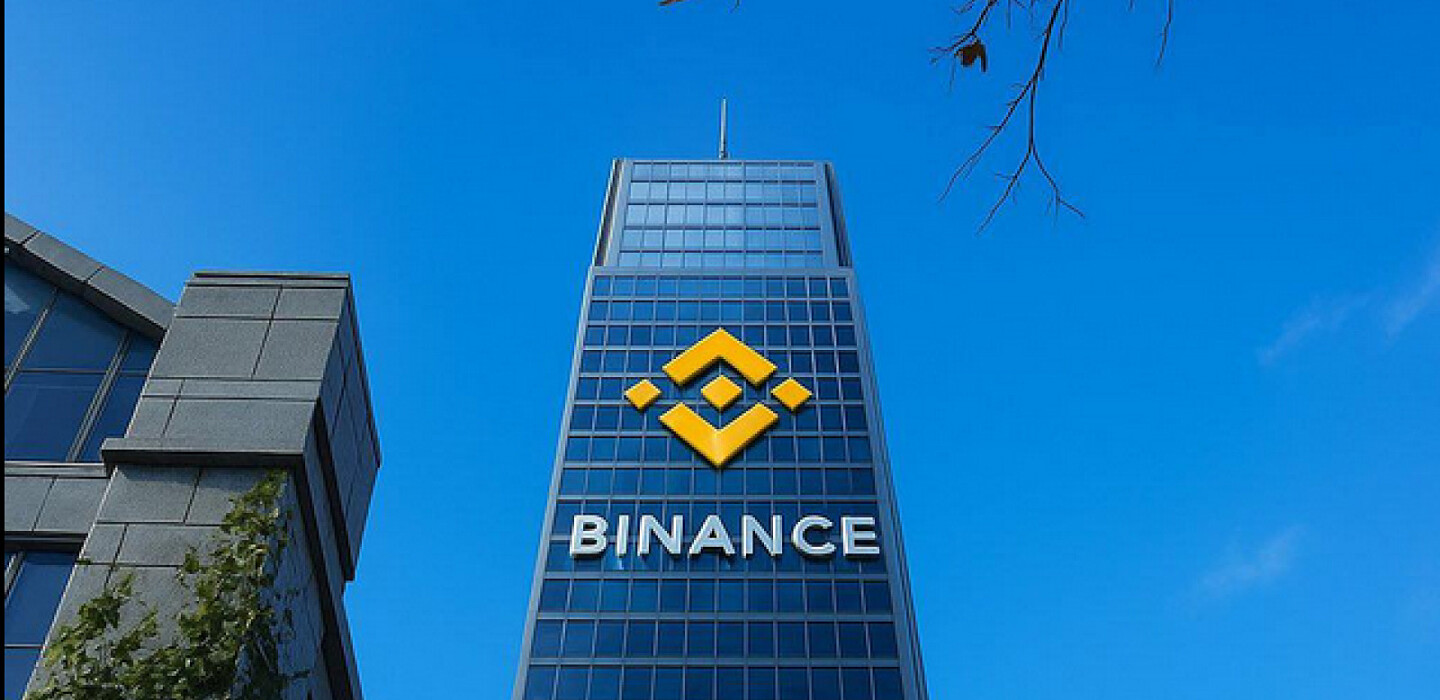
TL;DR — the direct answer: Binance, the world's largest cryptocurrency exchange, said it has covered about 90% of the assets stolen in a major security breach estimated at around $6.3 billion, using company funds and part of its user-protection reserve, and it remained on track to resume withdrawals on Sunday, 1 November 2026.
What happened: Binance said on Saturday that it has covered about 90% of the assets stolen in a major security breach, using company funds and part of its user-protection reserve. The breach was earlier estimated at around $6.3 billion, described by analysts as potentially the biggest crypto heist ever. Binance also took a new proof-of-reserves snapshot on 31 October — a public accounting check that lets users verify the exchange holds the assets it claims to — as part of its response to the breach.
Why it's trending: The size of the hack shocked crypto markets, and traders have been watching closely for two things — whether users will be made whole, and when withdrawals will reopen. Binance said it remained on track to resume withdrawal services on Sunday, 1 November. For an exchange of Binance's size, a breach of this scale raises questions well beyond one company: it tests whether the industry's user-protection funds actually work when they are needed most, and whether a single incident can shake confidence across crypto markets.
Background / context: Binance's user-protection reserve is its Secure Asset Fund for Users, known as SAFU — a fund the exchange maintains to compensate users if their assets are lost through a security failure. Covering losses from company funds plus SAFU is the mechanism Binance pointed to in its update. Proof-of-reserves snapshots are a separate transparency tool: they publish cryptographic evidence that customer deposits are backed by assets the exchange actually holds. The $6.3 billion estimate, if it holds, would make this one of the largest crypto thefts on record — the "biggest ever" description in early coverage is an analyst characterisation based on that estimate, not a confirmed final tally, since the full extent of the breach was still being assessed.
What we know / what's unconfirmed: Confirmed in reporting so far: the 90% coverage figure, the use of company funds plus its Secure Asset Fund for Users, and a new proof-of-reserves snapshot taken on 31 October. What is not yet fully clear from public reporting: the full technical details of how the breach happened, and the exact timeline for every affected user to be restored. The remaining roughly 10% of stolen assets, and how or whether that portion will be recovered, was also not detailed in the update.
What happens next: The immediate test is whether withdrawals resume on schedule on 1 November and whether users can access their funds normally. After that, the questions are whether Binance publishes a fuller account of how the breach happened, what security changes follow, and whether the remaining stolen assets are traced or recovered. Crypto markets will also be watching whether the incident has any lasting effect on trading volumes or on confidence in large centralised exchanges.
Advertisement
Q: How much was stolen in the Binance hack?
A: Around $6.3 billion, according to early estimates cited in reporting — described by analysts as potentially the biggest crypto heist ever, though the final tally was still being assessed.
Q: What is Binance's Secure Asset Fund for Users?
A: It is Binance's user-protection reserve, known as SAFU, maintained to compensate users if their assets are lost through a security failure. Binance said it used company funds plus SAFU to cover about 90% of the stolen assets.
Q: When did withdrawals reopen?
A: Binance said it remained on track to resume withdrawal services on Sunday, 1 November 2026.
Sources: City 1016 report on Binance's recovery update
The Nasdaq fell 5.5% on 5 November 2026, its worst day since April 2025, as AI and chip stocks sold off after the US midterms — about $2.5 trillion in market value wiped in a day.

Apple confirmed a first batch of Apple Intelligence features for China, with developer beta testing from 4 November and full rollout in iOS 27.3 in December, tapping Qwen.

Alphabet, Google's parent company, reportedly lost $500 billion in stock market value on AI spending concerns, as reported on 31 October 2026. Here is what that headline means, why