
LIVE
Nasdaq Plunges 5.5% as AI Stocks Sell Off After US Midterms  •  Spain Identifies 66 of 69 Victims of the Urda Train Crash, Including Four Americans  •  Israel Stuck in Election Deadlock as Bennett Backs Eisenkot — and No Bloc Reaches 61 Seats
Entertainment

Actor Imran Khan Can Stay in India Until December After Apologising for Joining a Protest, Court Rules

Trending Now • 2 November 2026 • 4 min read

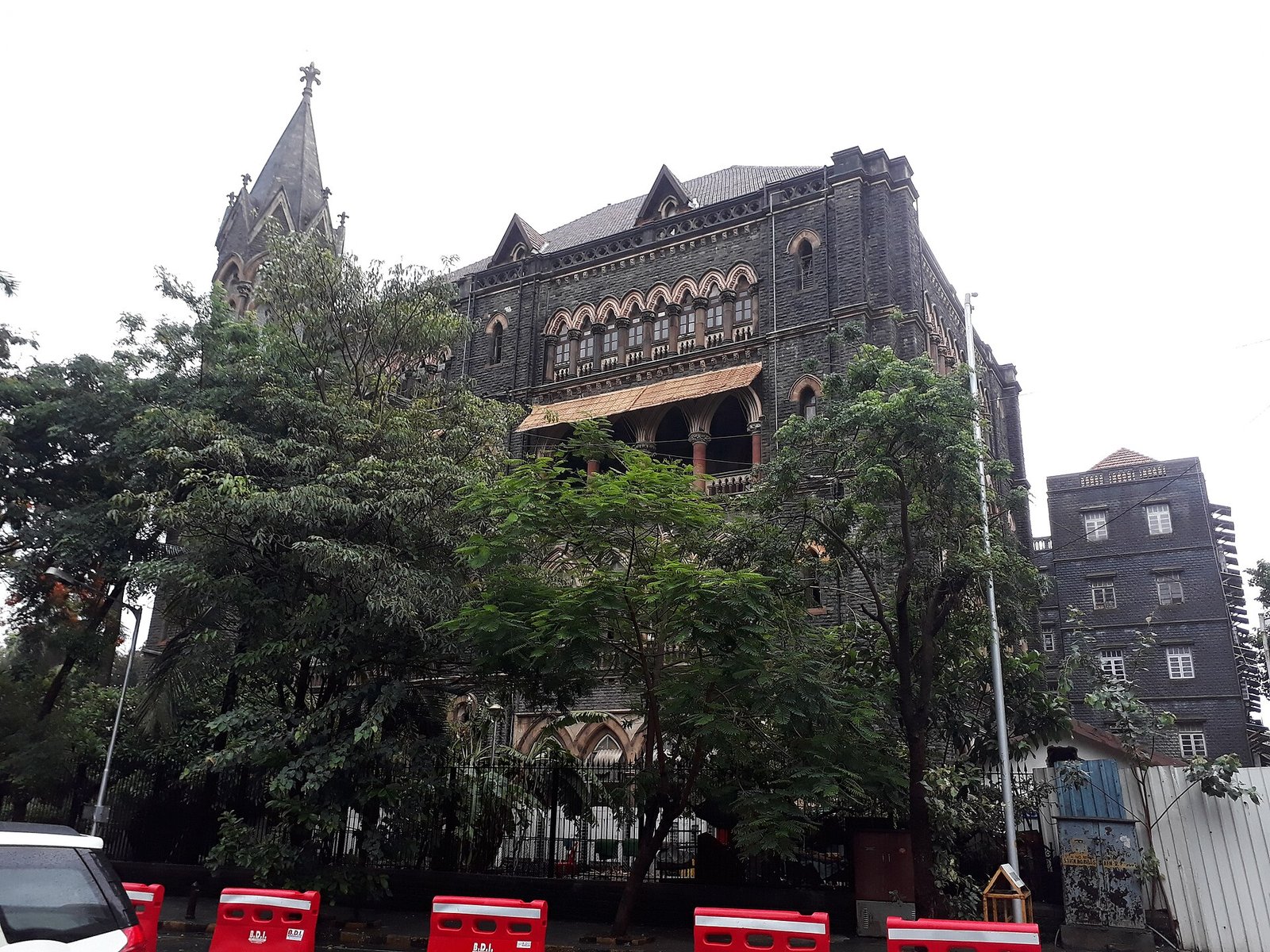
the Bombay High Court's Gothic Revival stone building in Mumbai, with its spire and arched windows (partly framed by trees)

Photo: Pinakpani, CC BY-SA 4.0, via Wikimedia Commons.

TL;DR — the direct answer: An Indian court has allowed Bollywood actor Imran Khan, 43, a United States citizen, to remain in India until early December after he apologised on Monday 2 November 2026 for taking part in a protest. The Bombay High Court extended the suspension of a government order that had asked him to leave the country by 28 October, until 7 December, after he gave an undertaking not to join such protests again. The case will be decided by the Foreigners Regional Registration Office (FRRO) after hearing him.

What happened: Khan was accused of joining protests in Mumbai last month against the country's election chief, over voter-register revisions. Because he is a foreign national, the government treated his participation as a breach of immigration and visa rules, and asked him to leave by 28 October. Last week, the Bombay High Court put that order on hold until 2 November. On Monday, the court extended the hold to 7 December, after Khan apologised. Legal website LiveLaw, reporting the hearing, said the court told Khan he had “no right to protest or participate” in protests as a foreign national of Indian origin who was “not even remotely affected” by the voter-list revision, and sought an unconditional apology plus an undertaking against future participation.

Why it is trending: The case sits at the intersection of celebrity, citizenship and protest — three topics that each trend on their own. Khan, known for films of the late 2000s and early 2010s, has been largely away from the screen in recent years, so a courtroom story, rather than a film announcement, put him back in the headlines. More broadly, the ruling raises a question many foreign nationals living in India will recognise: what political activity, if any, is open to someone who lives in the country but does not hold its citizenship? The court's answer in this hearing was strict, and it will be read closely by others in a similar position.

Background / context: Under Indian law, participation by foreigners in political protests can be treated as a violation of immigration and visa conditions, even when the same activity would be lawful for a citizen. That principle is not new, but it is rarely tested in a high-profile case involving a well-known actor. The protests Khan joined were part of the wider opposition campaign over voter-register revisions — the same issue behind the large Delhi march on Sunday — which gives the case a political backdrop far larger than one actor's weekend. Khan's position, as a US citizen of Indian origin, also touches on the complicated status of the diaspora: cultural belonging does not, in law, equal the political rights of citizenship.

What we know / what is unconfirmed: Confirmed: Khan's age (43) and US citizenship, the 28 October leave date in the original order, the High Court's earlier hold until 2 November, Monday's extension to 7 December, the apology and undertaking, and the FRRO as the deciding authority, all as reported by Reuters citing LiveLaw. Reported, not independently verified here: the court's exact quoted remarks, which come via LiveLaw's hearing report. Unconfirmed: what the FRRO will ultimately decide, whether Khan will face any further condition, and any claim about his future film plans — none of those follows from this ruling, and this post makes no prediction about them.

What happens next: The FRRO will hear Khan and decide the case, with the court's suspension in place until 7 December. Until then, Khan can remain in India, but on the undertaking he has given: no further protest participation. If the FRRO rules against him, a fresh leave order could follow; if it rules in his favour, the episode ends as a formal warning. Either way, the case has already set a talking point: for foreign nationals in India, the line between showing solidarity and breaking visa conditions is now, in this court's words, a bright one.

Advertisement

Frequently asked questions

Q: Why was Imran Khan asked to leave India?
A: The government said joining a Mumbai protest breached immigration rules for a foreign national; he is a US citizen.

Q: How long can he stay now?
A: Until 7 December 2026, under the Bombay High Court's extended suspension of the leave order.

Q: Who decides the case finally?
A: The Foreigners Regional Registration Office (FRRO), after hearing Khan.

Sources: Reuters — court extends Imran Khan's stay

← Back home