LIVE
Nasdaq Plunges 5.5% as AI Stocks Sell Off After US Midterms  •  Spain Identifies 66 of 69 Victims of the Urda Train Crash, Including Four Americans  •  Israel Stuck in Election Deadlock as Bennett Backs Eisenkot — and No Bloc Reaches 61 Seats
World

Israel Stuck in Election Deadlock as Bennett Backs Eisenkot — and No Bloc Reaches 61 Seats

Trending Now • 2 November 2026 • 4 min read

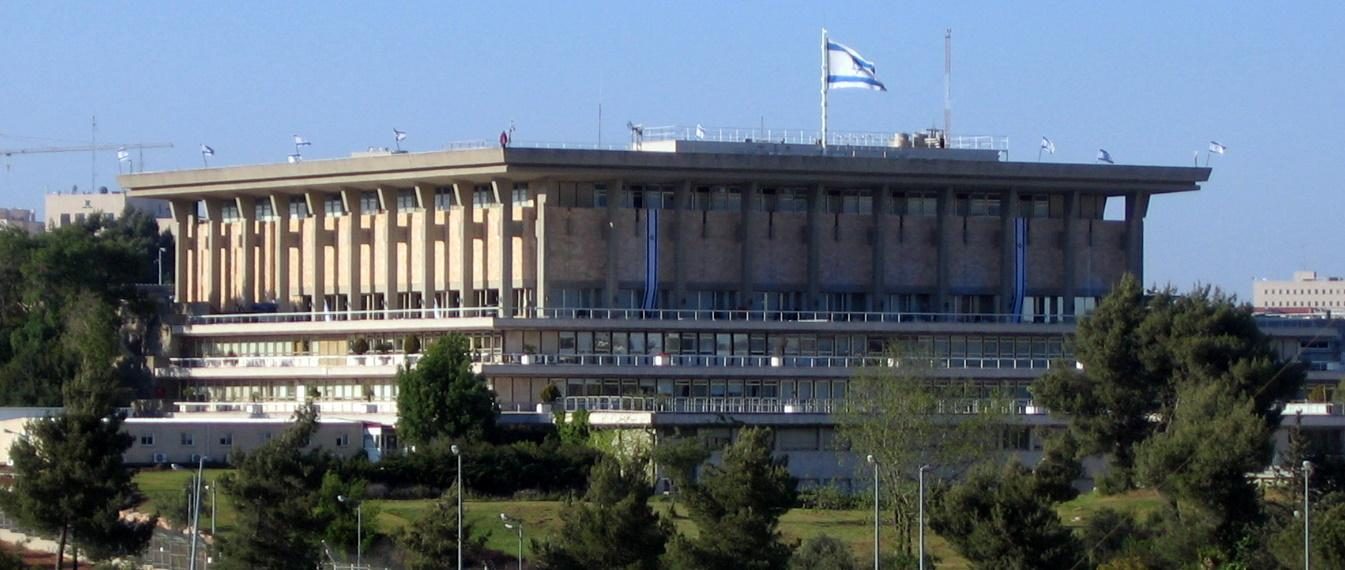
the Knesset exterior from the south (from the Israel Museum), Israeli flag flying; 24 April 2007

Photo: The Knesset building, Jerusalem — Beny Shlevich, CC BY-SA 3.0, via Wikimedia Commons.

TL;DR — the direct answer: Israel is in political deadlock after its 27 October 2026 election, because no bloc won the 61 seats needed for a majority in the 120-seat Knesset. Prime Minister Benjamin Netanyahu's bloc won 53 seats, the opposition bloc led by Gadi Eisenkot won 48, and Arab-led parties won a record 19. On Sunday, former prime minister Naftali Bennett backed Eisenkot as the opposition's candidate for prime minister, the first concrete step toward breaking the stalemate — but it does not by itself create a governing majority.

What happened: With all votes counted, Netanyahu's Likud emerged as the largest single party with 27 seats, while Eisenkot's Yashar party won 21. The blocs tell the real story: Netanyahu's coalition of Likud, far-right and ultra-Orthodox allies took 53 seats, while the opposition bloc of Yashar, B'Yachad, Yisrael Beytenu and the Democrats took 48. The remaining 19 seats went to Arab-led parties, Ra'am and the Joint List. Turnout was 77.9 percent, the highest since 1999, according to the Central Elections Committee. Official results are due to be submitted to President Isaac Herzog on Wednesday 4 November, ahead of consultations on who should be tasked with forming a government.

Why it is trending: The arithmetic makes Arab-led parties the kingmakers, and that is politically sensitive for many in Israel. A coalition of Eisenkot's opposition bloc with Arab party support would command 67 seats on paper — enough for Herzog to grant Eisenkot a mandate — but Eisenkot has previously ruled out forming a coalition with Arab parties, and opposition parties remain divided over relying on their support. Bennett's endorsement changes the opposition's position: it consolidates the bloc around a single challenger, with B'Yachad set to recommend Eisenkot to Herzog. Opposition leaders have also agreed that their first move after the Knesset is sworn in will be to replace Speaker Amir Ohana, a Likud member, a vote that could succeed with Arab party support.

Background / context: The deadlock has been accompanied by a bitter dispute over the result itself. Netanyahu and Likud alleged, without providing evidence, that Arab-led parties “stole” the vote and accepted funding from Qatar to raise turnout among Arab voters. Qatar rejected the allegation as a disinformation campaign. Central Elections Committee chairman Justice Noam Sohlberg said on Sunday, alongside the head of Shin Bet and the attorney general, that the results would stand even if claims of foreign interference were later proven, and that voting had proceeded properly. Eisenkot accused Netanyahu of an “orchestrated and organised campaign to delegitimise the results.” Police said suspects connected to the Ra'am party, which won eight seats, were under investigation, but that detail does not by itself prove the broader interference claim.

What we know / what is unconfirmed: Confirmed: the seat counts (53, 48 and 19), the 77.9 percent turnout, the 4 November date for Herzog's consultations, Bennett's backing of Eisenkot, and Sohlberg's statement that the results stand. Unconfirmed: the Qatari funding allegation, which Likud has made without published evidence and which Qatar denies; any claim that a specific coalition has already been agreed; and any prediction that Israel will certainly face another election. Those outcomes depend on negotiations that have not yet happened. The candidate Herzog tasks will normally have 28 days to negotiate a coalition, with a possible 14-day extension.

What happens next: Herzog consults party factions from 4 November, then nominates the lawmaker he believes has the best chance of securing 61 seats. If that effort fails, another candidate may get the chance; if no government can be formed, Israel could face another election in 2027, with Netanyahu remaining as caretaker prime minister in the meantime. The next few days will show whether Bennett's endorsement is the start of a 67-seat arrangement — or just a united opposition still short of power.

Advertisement

Frequently asked questions

Q: Who won Israel's October 2026 election?
A: No bloc won outright. Netanyahu's bloc took 53 seats, Eisenkot's opposition bloc 48, and Arab-led parties 19, in a 120-seat Knesset.

Q: Why does Bennett's endorsement matter?
A: It unites the opposition behind one prime ministerial candidate, Eisenkot, ahead of President Herzog's consultations on 4 November.

Q: Could Eisenkot form a government?
A: On paper, opposition plus Arab party support reaches 67 seats, but whether that alliance can actually be agreed is unconfirmed and politically contested.

Sources: The Conclave — results stand, seat counts • The Jewish Weekly — Bennett backs Eisenkot

← Back home