
LIVE
Nasdaq Plunges 5.5% as AI Stocks Sell Off After US Midterms  •  Spain Identifies 66 of 69 Victims of the Urda Train Crash, Including Four Americans  •  Israel Stuck in Election Deadlock as Bennett Backs Eisenkot — and No Bloc Reaches 61 Seats
World

US Midterms 2026: Final Days, Tight Races, and a Last-Minute Rally Rush

Trending Now • 1 November 2026 • 3 min read

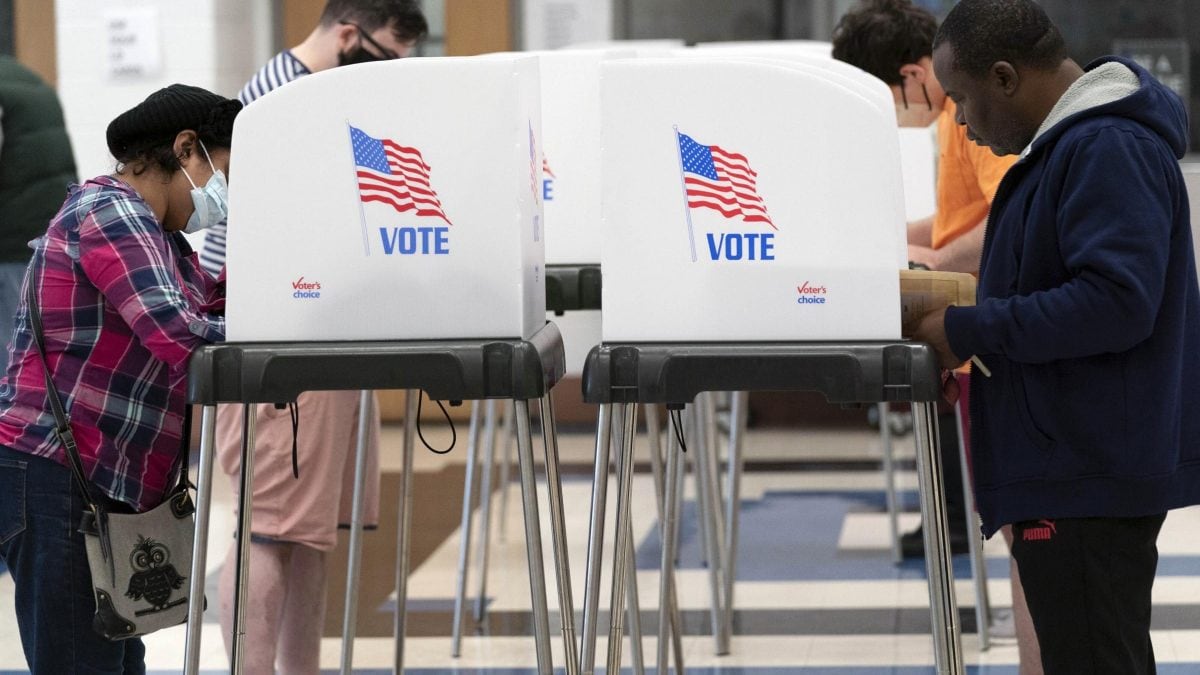
Voters casting ballots at voting booths in the United States

Photo: voters casting ballots at voting booths in the United States (image via Google Image Search).

TL;DR — the direct answer: With the US midterm elections on Tuesday, 3 November 2026, both parties were in their final campaign push: control of Congress was on the line, with Republicans holding a 53-47 Senate majority and a narrow 218-214 House majority, and polling cited in coverage giving Democrats an edge in the House while the Senate hinged on a handful of toss-up races.

What happened: With the US midterm elections on Tuesday, 3 November, both parties are in their final campaign push. President Donald Trump, after a long rally blitz, headed to Iowa and Kansas on Sunday, 1 November, after earlier cancellations of those stops drew attention and pushback from local Republicans.

Why it's trending: Control of Congress is on the line — Republicans currently hold a 53-47 Senate majority and a narrow 218-214 House majority, and polling cited in coverage gives Democrats an edge in the House while the Senate hinges on a handful of toss-up races. Midterms are the first national verdict on a presidency, and this one arrived with the House genuinely in play: a swing of just a few seats would flip the chamber, which is why both parties were spending their final days in the same handful of districts.

Background / context: A midterm election decides the whole House of Representatives and a third of the Senate, along with governors and state offices, roughly halfway through a presidential term. The numbers in play explain the stakes: the Senate's 53-47 Republican majority means Democrats would need a net gain of four seats to take control, while the House's 218-214 margin means a shift of just two seats in either direction changes the majority. That is why the final-week rallies were concentrated in toss-up territory rather than safe seats — Iowa and Kansas, where Trump headed on 1 November after the earlier cancellations, were part of that closing push.

What we know / what's unconfirmed: Confirmed: the election date, the current majorities, and the renewed Iowa/Kansas rallies. Still to be decided, obviously: the actual results, and several election-related court disputes over ballots in states including California and Alaska, where the Justice Department has widened its inquiries. Polling edges cited in coverage are snapshots, not results — they show where the race stood in the final days, not how it ended.

What happens next: Voting on 3 November, followed by counting that can run for days in close races, and then the seating of the new Congress. The court disputes over ballots in California and Alaska, and any others that emerge, will be watched alongside the results themselves — they could affect individual seats even after the headline outcome is clear.

Advertisement

Frequently asked questions

Q: When were the 2026 US midterm elections?
A: Tuesday, 3 November 2026.

Q: What was at stake?
A: Control of Congress. Republicans held a 53-47 Senate majority and a narrow 218-214 House majority going into the vote.

Q: Who was leading in the polls before the vote?
A: Polling cited in coverage gave Democrats an edge in the House, while the Senate hinged on a handful of toss-up races.

Sources: Indian Express live updates on the 2026 US midterms • USA Today on the midterm rally blitz

← Back home